Simply Trade
Do you find yourself randomly classifying products… when you are not at work?
Does the reason why you jump out of bed every morning have anything to do with validating your supply chain to insure trade compliance?
Did you sit in your favorite chair with a glass of wine, paging through the latest regulations and thought to yourself, ‘what a great way to spend my free time’?
If any of these apply to you, then you are very likely a ‘trade geek’… that is why we created Simply Trade just for you.
Your hosts, Andy and Lalo have a combined 60+ years in the industry. Covering everything from logistics to technology. There is so much to learn with the ever-evolving world of trade.
We’ve invited some friends over to our podcast to simply ’shoot the ship’ on all things trade. So join us every week as we discuss current and important trade topics with experts in their field who are passionate about helping you succeed!
You’ll never run out of things to learn when it comes to trading goods across international borders.
Let’s get to it!





Episodes
![[Cindy's Version] Bad Blood: U.S.-Canada Trade Tensions & a New Era of Customs Enforcement](https://pbcdn1.podbean.com/imglogo/image-logo/14879952/ST_Cover_2026_300x300.png)
Aug 28, 2026
Aug 28, 2026
17 min
Host: Cindy AllenPublished: August 28, 2026Length: Not providedPresented by: Global Training Center
Summary
There’s “Bad Blood” in North American trade—and Cindy Allen is breaking down why.
In this episode of Simply Trade: Cindy’s Version, Cindy uses Taylor Swift’s “Bad Blood” as the backdrop for a packed international trade update. At the center is the escalating U.S.-Canada trade dispute, including U.S. Section 338 duties and Canada’s planned dollar-for-dollar retaliation. With neither side appearing ready to back down, importers should prepare for continued uncertainty and potential legal challenges.
But tariffs are only part of the story.
Cindy examines concerns surrounding IEEPA tariff refunds and debt offsets, the potentially sweeping implications of the administration’s approach to “transshipment,” and evolving foreign importer-of-record requirements that could place new responsibilities on customs brokers.
She also explains growing questions around importer vetting, CBP Form 5106, CTPAT certification, and the elimination of the “flying trucks” practice affecting express carriers.
The takeaway: longstanding assumptions about country of origin, importer responsibilities, brokerage practices, and North American trade are being challenged at the same time.
This Week in Trade
• IEEPA tariff refunds, CAPE delays, and concerns about government debt offsets
• “The Great Transshipment Scam” and its potential impact on country-of-origin determinations
• New foreign importer-of-record, CTPAT, customs broker, and importer-vetting requirements
• Escalating U.S.-Canada trade tensions and potential retaliation
Main Topic / Discussion
The centerpiece of this episode is the growing trade conflict between the United States and Canada.
Cindy discusses the imposition of Section 338 duties on certain Canadian goods at 50% and Canada’s planned dollar-for-dollar retaliation on U.S. products beginning September 8. She explains why the dispute matters beyond the immediate tariffs: it comes amid broader negotiations over the future of USMCA and alongside other policy changes that could disproportionately affect Canadian companies importing into the United States.
The episode also explores a broader shift in customs enforcement. Cindy highlights the administration’s approach to transshipment and how treating foreign components as retaining their own essential character could challenge longstanding approaches to substantial transformation and country-of-origin determinations.
For importers and customs brokers, these developments could mean significantly more data, due diligence, compliance obligations, and potential liability.
Key Takeaways
• Importers receiving IEEPA duty refunds should monitor whether disputed federal or state debts are being offset against those refunds.
• The government’s evolving interpretation of transshipment could dramatically increase the component-level information importers need to obtain and report.
• Foreign importer-of-record rules could create new CTPAT requirements and increase responsibilities and potential liability for customs brokers.
• The U.S.-Canada tariff dispute may continue escalating, with additional retaliation and legal challenges possible.
Resources & Mentions
• Global Training Center
• Trade Force Multiplier
• CBP Form 5106 and importer-of-record requirements
• Customs Trade Partnership Against Terrorism (CTPAT)
• USMCA
• IEEPA tariff litigation and refund developments
• Section 338 duties and U.S.-Canada trade developments
Credits
Host:Cindy Allen
Guest(s):N/A
Producer:Lalo Solorzano
📢 Subscribe & Follow
Stay connected with the Simply Trade community and never miss an episode that helps you trade smarter.
🎧 Listen on:
• Apple Podcasts
• Spotify
• YouTube
💬 Connect with us:
• Simply Trade
• Global Training Center
• Trade Geeks Community
Don't forget to rate, review, and share with your fellow trade geeks!
Want to be on the show or have topic suggestions?SimplyTrade@GlobalTrainingCenter.com
Aug 27, 2026
Aug 27, 2026
29 min
Host: Lalo Solorzano & Andy ShilesGuest(s): Kathleen AugustPublished: August 27, 2026Length: ~30 minutesPresented by: Global Training Center
Summary
How ready would your company be if U.S. Customs and Border Protection came knocking tomorrow?
In this episode of Simply Trade, hosts Lalo Solorzano and Andy Shiles sit down with former CBP auditor Kathleen August to discuss why being “audit ready” is no longer enough. With more than 33 years of experience on the CBP side of the desk, Kathleen offers an insider’s perspective on today’s enforcement environment and explains why importers need to become truly “Customs Ready.”
The conversation covers the growing importance of CF28 responses, ACE data, internal controls, record retention, post-entry reviews, supply-chain visibility, and cross-functional communication. Kathleen also explains why having a trade compliance manual sitting on a shelf doesn’t equal an effective compliance program. Companies need procedures tailored to their operations—and executable tools that employees actually use.
From unexpected changes in entered value to country-of-origin questions, forced labor concerns, USMCA documentation, and shifting sourcing strategies, CBP has more data and analytical capability than ever before.
The message for importers is clear: know your data, know your supply chain, document your processes, and be prepared to respond before Customs asks the question.
Main Topic / Discussion
Being audit ready is important—but Kathleen argues that today’s importers need to go further and become Customs Ready.
With CBP operating in an enforcement-focused environment, companies may encounter CF28s, questions about their supply chains, entry reviews, or other inquiries even if they are never selected for a full audit.
Kathleen explains that a strong compliance foundation starts with documented internal controls tailored specifically to the company. But documentation alone isn’t enough. Companies need “executable documents”—checklists, logs, databases, classification records, broker procedures, and other tools that turn a compliance manual into everyday action.
The discussion also highlights the importance of reviewing ACE data from CBP’s perspective. Changes in entered value, country of origin, classification, sourcing, or other entry information can create patterns that draw attention. As Kathleen puts it, Customs is like a highly capable chess opponent—and they may already be “two steps ahead.”
Importers also need visibility beyond the trade compliance department. Sales, purchasing, engineering, finance, sourcing, and leadership can all make decisions that affect customs compliance. Tooling assists, supplier changes, certificates of origin, USMCA qualification, and sourcing shifts are just a few examples.
Ultimately, becoming Customs Ready means building a system that allows the organization to identify problems, maintain records, respond to questions, and pivot quickly as tariffs and enforcement priorities change.
Key Takeaways
• Be Customs Ready, not just audit ready. A full CBP audit is only one potential compliance event. Importers also need to be prepared for CF28s, investigations, and questions about individual entries or their broader supply chain.
• Document internal controls—and actually use them. Compliance procedures should be customized to the company rather than copied from a generic manual. Pair written procedures with executable tools such as checklists, CF28 logs, databases, classification records, and broker instructions.
• Know what your ACE data says about you. CBP can identify changes and patterns across entries. Importers should review their own data for unusual shifts in value, classification, country of origin, sourcing, and other areas before those patterns generate questions.
• Understand your entire supply chain. Know who you are buying from, where products and components originate, where transformation or assembly occurs, and when suppliers or production locations change.
• Conduct post-entry reviews. Don’t assume the broker entered everything correctly. Monitoring entries can help identify errors early and, in some cases, allow companies to correct problems in real time.
• Make compliance cross-functional. Sales, purchasing, engineering, finance, sourcing, and trade compliance all affect customs outcomes. Compliance cannot operate effectively in a silo.
• Maintain accessible records. A record retention policy is only useful if the organization can quickly retrieve the documentation needed to respond to CBP.
• Be ready to pivot. Tariffs and trade requirements can change quickly. Companies need processes, expertise, and resources that allow them to adapt without sacrificing compliance.
Resources & Mentions
• Global Training Center
• Kathleen August - LinkedIn
• U.S. Customs and Border Protection (CBP)
• Automated Commercial Environment (ACE)
• CBP Form 28 (CF28)
• USMCA
• Section 232 tariffs
• Foreign Trade Zones and bonded warehouses
• Enforce and Protect Act (EAPA) / antidumping enforcement
Credits
Host:Lalo SolorzanoAndy Shiles
Guest(s):Kathleen August - LinkedIn
Producer:Lalo Solorzano
📢 Subscribe & Follow
Stay connected with the Simply Trade community and never miss an episode that helps you trade smarter.
🎧 Listen on:
• Apple Podcasts• Spotify• YouTube
💬 Connect with us:
• Simply Trade• Global Training Center• Trade Geeks Community
Don't forget to rate, review, and share with your fellow trade geeks!
Want to be on the show or have topic suggestions?SimplyTrade@GlobalTrainingCenter.com
Aug 26, 2026
Aug 26, 2026
26 min
Host: Lalo SolorzanoGuest(s): Kim Campbell, Mollie SitkowskiPublished: August 26, 2026Length: 26 minutesPresented by: Global Training Center
Summary
Canada-U.S. trade tensions are escalating again—and trade professionals on both sides of the border need to move quickly.
In this special episode of Simply Trade, host Lalo Solorzano is joined by Canadian trade expert Kim Campbell and Section 338 expert Mollie Sitkowski to break down Canada's newly announced retaliatory tariffs and what businesses should be doing before they take effect.
Kim explains Canada's dollar-for-dollar retaliation strategy, including tariff increases affecting more than a thousand tariff lines and some products potentially facing significant additional costs. She also highlights an important distinction for traders: while CUSMA/USMCA qualification may reduce the underlying duty rate, it does not exempt goods from these retaliatory tariffs.
Mollie provides the U.S. perspective, including what businesses should understand about Section 338, origin determinations, classification reviews, and the risks of changing tariff classifications simply to escape today's tariff exposure.
Beyond customs compliance, the conversation examines the growing economic consequences of the dispute—from Canadian buying behavior and tourism to cross-border businesses and supply chains.
The message for trade professionals is clear: verify your data, understand your exposure, communicate with your customs partners, and watch official government guidance closely.
Main Topic / Discussion
Canada has announced retaliatory tariffs following the implementation of U.S. Section 338 measures. Kim Campbell and Mollie Sitkowski explain how the Canadian and U.S. measures interact, where CUSMA/USMCA does—and does not—provide relief, and what importers should review immediately.
Canada's Retaliatory Tariffs
Canada's response is designed around dollar-for-dollar retaliation. According to Kim, the new measures cover more than a thousand tariff lines and build upon earlier surtax measures, with some existing rates increasing substantially.
One particularly important point: CUSMA qualification does not eliminate Canada's retaliatory tariff. A qualifying product may receive a zero base duty rate while still being subject to the applicable retaliation rate.
Classification and Origin Matter
Both Kim and Mollie stress the importance of reviewing tariff classifications rather than assuming historical classifications are correct.
Mollie also cautions businesses against changing classifications simply because another tariff provision currently appears more favorable. Tariff measures can change quickly, and repeated classification changes without a defensible technical basis can create additional customs risk.
For U.S. Section 338 purposes, importers should also carefully review the applicable origin rules, including USMCA marking rules for Canadian goods.
Remission Opportunities in Canada
Canadian importers should determine whether an existing remission order applies to their goods. Businesses experiencing hardship or situations where goods cannot reasonably be sourced in Canada may also be able to apply for remission.
Importers should communicate proactively with their customs brokers. A broker cannot necessarily know that an importer qualifies for a remission unless the importer provides the necessary information and instructions.
The Bigger Cross-Border Impact
The consequences extend beyond duty bills. Kim describes a strong Buy Canadian movement, reduced Canadian travel to the United States, changes in consumer purchasing, and provincial restrictions affecting U.S. alcohol sales.
The longer these disruptions continue, the greater the possibility that businesses and consumers develop new purchasing habits and supplier relationships that may not immediately reverse when tariffs disappear.
Key Takeaways
• Canada's retaliatory tariffs are designed as a dollar-for-dollar response to U.S. trade measures, with implementation scheduled for September 8 as discussed in the episode.
• CUSMA/USMCA qualification may eliminate the normal duty rate, but it does not exempt qualifying goods from Canada's retaliatory tariff.
• Importers should verify tariff classifications, product descriptions, origin determinations, and eligibility for available Canadian remission orders.
• Do not reclassify merchandise simply to escape today's tariff list. Classification must remain technically supportable, and future tariff actions could change the economics again.
• Canadian importers that qualify for remission need to communicate that information to their customs brokers so the appropriate treatment can be applied.
• Businesses should monitor official government and customs guidance closely because implementation details and tariff measures can change quickly.
• The effects of the dispute extend beyond customs duties into tourism, consumer purchasing, cross-border communities, sourcing decisions, and long-term commercial relationships.
Resources & Mentions
• Global Training Center
• Finance Canada tariff and remission guidance — listeners should consult the current official Government of Canada guidance for the latest tariff lists, remission orders, and implementation details discussed in this episode.
• U.S. Customs and Border Protection guidance — monitor current official notices and implementation instructions relating to Section 338 and other applicable trade measures.
• Kim Campbell - LinkedIn
• Mollie Sitkowski - LinkedIn
Credits
Host:Lalo Solorzano
Guest(s):Kim Campbell - LinkedIn
Mollie Sitkowski - LinkedIn
Producer:Lalo Solorzano
📢 Subscribe & Follow
Stay connected with the Simply Trade community and never miss an episode that helps you trade smarter.
🎧 Listen on:
• Apple Podcasts
• Spotify
• YouTube
💬 Connect with us:
• Simply Trade
• Global Training Center
• Trade Geeks Community
Don't forget to rate, review, and share with your fellow trade geeks!
Want to be on the show or have topic suggestions?SimplyTrade@GlobalTrainingCenter.com
Aug 24, 2026
Aug 24, 2026
22 min
Host: Andy ShilesGuest(s): Jennifer Amos, President, Memphis World Trade ClubPublished: August 24, 2026Length: ~22 minutesPresented by: Global Training Center
Summary
The Compliance Cowboy is riding into Memphis—and there’s a lot happening in one of America’s most important logistics hubs.
Simply Trade host Andy Shiles sits down with Jennifer Amos, President of the Memphis World Trade Club and Director of Sales at Dunavant Logistics, to talk about the growth, infrastructure, innovation, and people powering the Memphis logistics community.
At the center of the conversation is Memphis World Trade Week, including the Memphis Logistics Summit on September 30 and Tech Innovation Day and the 75th anniversary of Port Night on October 1. Jennifer explains how the World Trade Club, Greater Memphis Chamber, and Epicenter Memphis are bringing established industry leaders, technology startups, carriers, beneficial cargo owners, and logistics professionals together.
Andy and Jennifer also explore why Memphis continues to matter as a distribution hub—from rail and interstate connectivity to air cargo and the Mississippi River—and why logistics careers extend far beyond warehouses and trucks.
And yes, Andy plans to show up to Port Night the way longtime Memphis trade folks might remember him: cowboy hat, boots, and all.
Main Topic / Discussion
Memphis has long been a major transportation and distribution center, but its logistics community continues to evolve through new infrastructure, technology, talent development, and collaboration.
Jennifer Amos previews the Memphis World Trade Club’s upcoming events and explains how Memphis World Trade Week is designed to connect the different pieces of that ecosystem.
The conversation covers the September 30 Memphis Logistics Summit at the Peabody, followed on October 1 by Tech Innovation Day at Epicenter Memphis and the Memphis World Trade Club’s 75th Port Night in the Peabody’s Grand Ballroom.
Andy and Jennifer also discuss the value of face-to-face industry relationships. From monthly World Trade Club meetings to an event expected to attract logistics executives and professionals from around the world, Memphis provides opportunities to build a network—not just exchange business cards.
Key Takeaways
• Memphis remains a major logistics hub. Its combination of air cargo, Class I railroads, interstate connections, the Mississippi River, warehousing, and distribution infrastructure makes the region strategically important for freight movement.
• Memphis World Trade Week is growing. The September 30 Logistics Summit leads into an October 1 technology-focused event and the 75th anniversary of Port Night.
• Technology is changing logistics careers. The industry needs talent in IT, finance, analytics, operations, automation, technology, and other supporting disciplines—not just traditional transportation roles.
• Relationships still matter. Jennifer and Andy emphasize the value of industry organizations and in-person events for meeting decision-makers, sharing ideas, developing talent, and building long-term professional relationships.
Resources & Mentions
• Global Training Center
• Memphis World Trade Club
• Memphis Logistics Summit — September 30
• Tech Innovation Day — October 1
• Memphis World Trade Club 75th Port Night — October 1
• Greater Memphis Chamber
• Epicenter Memphis
Credits
Host:Andy Shiles
Guest(s):Jennifer Amos - LinkedIn
Producer:Lalo Solorzano
📢 Subscribe & Follow
Stay connected with the Simply Trade community and never miss an episode that helps you trade smarter.
🎧 Listen on:
• Apple Podcasts• Spotify• YouTube
💬 Connect with us:
• Simply Trade• Global Training Center• Trade Geeks Community
Don't forget to rate, review, and share with your fellow trade geeks!
Want to be on the show or have topic suggestions?SimplyTrade@GlobalTrainingCenter.com
Aug 20, 2026
Aug 20, 2026
33 min
Host: Lalo Solorzano, Andy ShilesGuest(s): Hugo PakulaPublished: TBDLength: ~33 minutesPresented by: Global Training Center
Summary
Customs compliance isn’t just getting more complicated—enforcement is getting smarter.
In this episode of Simply Trade, hosts Lalo Solorzano and Andy Shiles sit down with Hugo Pakula, founder of Tru Identity, to examine how technology, data, and changing enforcement priorities are reshaping the relationship between U.S. Customs and Border Protection, importers, and customs brokers.
The conversation explores a fundamental shift: being compliant may no longer be enough. Importers and brokers increasingly need to be able to demonstrate compliance through accurate data, documented controls, and processes capable of identifying risk before cargo reaches the border.
Hugo discusses why strong master data is becoming critical, how CBP's increasingly sophisticated approach to targeting changes the compliance equation, and why companies should focus less on simply processing more entries and more on building systems that balance speed, accuracy, and control.
The discussion also examines Executive Order 14411, Strengthening Customs Enforcement, and what heightened enforcement, supply-chain visibility, penalty policies, and risk-based scrutiny could mean for trade professionals.
The takeaway for leadership: compliance shouldn't be viewed only as a cost center. Done well, it can become a strategic advantage.
Main Topic / Discussion
From Reactive Compliance to Proactive Risk Management
For years, importers could discover a problem only after a shipment reached the port and CBP intervened. Hugo argues that the better model is identifying discrepancies earlier—before they become holds, penalties, audits, or costly delays.
That requires companies to think beyond simply processing transactions. Importers and brokers need reliable master data and processes capable of examining information across shipments, products, suppliers, and supply chains.
Being Compliant vs. Proving Compliance
One of Hugo's central points is that compliance now has two dimensions: doing the work correctly and being able to demonstrate that the work was done correctly.
As enforcement technology becomes more sophisticated, companies need the records, controls, and data to support their decisions. That becomes particularly important when CBP may have information about suppliers or deeper tiers of a supply chain that an importer does not immediately see.
Executive Order 14411 and Stronger Enforcement
The episode discusses Executive Order 14411, Strengthening Customs Enforcement, issued June 3, 2026. The order calls for a series of customs reforms, including heightened importer requirements, additional supply-chain disclosures, stronger enforcement measures, revised mitigation standards, and risk-based approaches to importers.
For importers and brokers, the message is clear: waiting until CBP identifies a problem is an increasingly risky strategy.
Back to the Basics: Better Data
Despite all the discussion about AI and automation, Hugo argues that the industry's future also looks surprisingly familiar.
Companies still need to answer foundational questions:
• What is the product?• What is it made of?• Who is involved in making it?• What is its intended use?
Clean, structured master data around those questions can make it easier to respond when tariffs, trade remedies, enforcement priorities, or other requirements change.
Compliance as a Growth Lever
The episode closes with an important message for executives: compliance doesn't have to be treated purely as overhead.
Better compliance data can support impact analysis, sourcing decisions, forecasting, risk management, and more strategic relationships between importers and customs brokers. Freeing compliance professionals from constant reactive work can give them more time to deliver that strategic value.
Key Takeaways
• Being compliant isn't the finish line. Importers and brokers increasingly need to be able to demonstrate their compliance with reliable data and documented controls.
• Master data matters. Understanding product composition, manufacturers, suppliers, and other underlying attributes creates a stronger foundation for responding to changing trade requirements.
• Think proactively, not reactively. Finding a discrepancy before goods reach the border is far better than discovering it after CBP holds the cargo.
• Treat compliance as a strategic capability. Strong compliance can support better sourcing, forecasting, risk management, and business decisions—not just prevent penalties.
Resources & Mentions
• Global Training Center
• Tru Identity
• Tru Identity + U.S. Customs and Border Protection
• Executive Order 14411 — Strengthening Customs Enforcement
• Hugo Pakula — LinkedIn
Credits
Host:Lalo SolorzanoAndy Shiles
Guest(s):Hugo Pakula - LinkedIn
Producer:Lalo Solorzano
📢 Subscribe & Follow
Stay connected with the Simply Trade community and never miss an episode that helps you trade smarter.
🎧 Listen on:
• Apple Podcasts• Spotify• YouTube
💬 Connect with us:
• Simply Trade• Global Training Center• Trade Geeks Community
Don't forget to rate, review, and share with your fellow trade geeks!
Want to be on the show or have topic suggestions?SimplyTrade@GlobalTrainingCenter.com
Aug 14, 2026
Aug 14, 2026
13 min
Host: Cindy AllenPublished: August 14, 2026Length: Approx. 14 minutesPresented by: Global Training Center
Summary
What if the country of origin rules trade professionals have relied on for decades were fundamentally redefined?
In this episode of Simply Trade: Cindy’s Version, Cindy Allen uses Taylor Swift’s “Tolerate It” as the backdrop for a consequential week in international trade. She begins with newly announced Section 232 duties affecting certain advanced drones, including a 100% duty rate for much of the world and different treatment for several trading partners.
But the heart of the episode is a potentially much bigger shift: the administration’s evolving approach to “transshipment” and component-level country of origin. Cindy examines an August 13 opinion column from senior trade adviser Peter Navarro and a companion White House paper, explaining why their arguments could challenge long-established substantial-transformation principles.
If this approach becomes policy, importers could face dramatically more complex reporting requirements—potentially identifying the origin, value, tariff treatment, and trade-remedy exposure of individual components inside finished products.
For trade professionals and manufacturers, Cindy’s message is clear: understanding your supply chain down to the component and raw-material level may become more important than ever.
This Week in Trade
• New Section 232 duties target certain advanced drones, with a 100% rate for much of the world and different treatment for specified trading partners.
• Additional component-level duties related to the drone action could take effect in February 2027.
• Peter Navarro’s “It Was a Great Scam While It Lasted” challenges traditional thinking around transshipment and imported components.
• A proposed shift toward component-level origin and tariff treatment could significantly change importer compliance, supply-chain visibility, and entry processes.
Main Topic / Discussion
The central issue is a potentially fundamental change in how the United States approaches country of origin, substantial transformation, and transshipment.
Traditionally, country-of-origin determinations can recognize that foreign components incorporated into a product in another country have undergone a substantial transformation. Cindy uses the example of a Chinese-made motor incorporated into a recliner manufactured in Canada: under established origin principles, the finished chair may be considered Canadian rather than treated simply as a collection of its original components.
The administration’s emerging position, as Cindy describes it, could take a different approach—potentially requiring importers to account for certain underlying components, their countries of origin, values, and applicable tariff measures.
The practical question is where such tracing would stop. For complex products such as automobiles, would importers need to separately account for engines and transmissions? Semiconductors and electronics? Spark plugs? Raw materials?
For trade professionals, this could mean a substantial expansion of the data needed to support an import declaration and a much deeper examination of multi-tier supply chains.
Cindy connects the issue to Taylor Swift’s “Tolerate It”: the trade community is watching major policy changes unfold while trying to understand how established trade practices may be transformed.
Key Takeaways
• Country-of-origin rules and the substantial-transformation standard could become a major focus of future trade policy and enforcement.
• A broader definition of transshipment could create significant compliance implications for manufacturers and importers using globally sourced components.
• Importers should increasingly understand their products beyond the finished-good level, including component origin, value, and potentially raw-material sourcing.
• Technology and supply-chain data providers may become even more critical if future requirements demand deeper component-level reporting and tariff analysis.
Resources & Mentions
• Global Training Center
• Trade Force Multiplier
• Peter Navarro — “It Was a Great Scam While It Lasted” (New York Times opinion column, August 13, 2026)
• White House companion paper addressing trade, transshipment, and component-level imports
• Section 232 trade measures concerning certain advanced drones
Credits
Host:Cindy Allen
Guest(s):N/A
Producer:Lalo Solorzano
📢 Subscribe & Follow
Stay connected with the Simply Trade community and never miss an episode that helps you trade smarter.
🎧 Listen on:
• Apple Podcasts• Spotify• YouTube
💬 Connect with us:
• Simply Trade• Global Training Center• Trade Geeks Community
Don't forget to rate, review, and share with your fellow trade geeks!
Want to be on the show or have topic suggestions?SimplyTrade@GlobalTrainingCenter.com
Aug 13, 2026
Aug 13, 2026
35 min
Host: Lalo Solorzano and Andy ShilesGuest(s): Ken Roberts and Tatiana PanzardiPublished: August 13, 2026Length: ~35 minutesPresented by: Global Training Center
Summary
The latest U.S. trade numbers are in—and they reveal an economy being reshaped by artificial intelligence, tariffs, changing supply chains, and new patterns in global commerce.
In this quarterly trade update, Lalo Solorzano and Andy Shiles welcome back trade-data expert Ken Roberts, joined by Tatiana Panzardi of WorldCity, to unpack U.S. Census Bureau trade data through the first six months of 2026.
The numbers tell a fascinating story. U.S. trade is up, Mexico is firmly positioned as the nation's leading trading partner, and Port Laredo has returned to the top among U.S. trade gateways by value. But perhaps the biggest shift is happening in technology: computer imports have surged as companies pour billions into AI infrastructure and data centers, changing rankings that were historically dominated by oil and automobiles.
At the same time, passenger-vehicle imports and exports are feeling the effects of tariffs and changing automotive policy.
Beyond the statistics, this episode asks the question that matters to trade professionals and business leaders: What do these numbers mean for your sourcing, markets, contracts, and growth strategy?
Main Topic / Discussion
U.S. trade is undergoing a structural shift.
Ken and Tatiana walk through the latest trade data and explain how AI investment, tariffs, energy, automotive trade, and supply-chain realignment are changing which commodities, countries, and ports dominate U.S. commerce.
One of the clearest signals is the extraordinary growth in computer imports. Through the first six months of 2026, the episode reports computer imports at approximately $194.4 billion, compared with roughly $101.4 billion during the same period in 2025. Much of that growth is tied to servers and infrastructure supporting AI data centers.
Meanwhile, Mexico remains central to U.S. trade, while Taiwan, Vietnam, South Korea, and other Asian economies are becoming increasingly important within changing global supply chains.
The automotive story looks different. Passenger-vehicle imports have declined amid tariffs, while exports to several major markets have also weakened. The discussion explores what that means for specialized automotive ports and for companies navigating higher costs and shifting demand.
Ultimately, the hosts bring the data back to business strategy: understanding trade trends can help companies identify new export markets, rethink sourcing, anticipate supply-chain changes, and spot opportunities before competitors do.
Key Takeaways
• AI is rewriting the U.S. import rankings. Massive investment in servers and data-center infrastructure has pushed computers ahead of categories such as passenger vehicles and oil, illustrating how quickly AI investment is affecting physical trade flows.
• Mexico's importance continues to grow. Mexico ranks as the leading U.S. trade partner in the data discussed, including its critical role in both imports and exports, while Port Laredo has again become the nation's leading trade gateway by value.
• Supply chains continue shifting away from China. Taiwan, Vietnam, South Korea, and other Asian markets are taking increasingly prominent positions as tariffs, technology investment, and sourcing strategies reshape longstanding trade patterns.
• Trade data should be a business-development tool. Importers, exporters, executives, and small-business owners can use commodity, country, and port data to identify growing markets, sourcing opportunities, emerging demand, and potential risks.
Resources & Mentions
• Global Training Center
• USTradeNumbers
• Ken Roberts on Forbes
Credits
Host:Lalo SolorzanoAndy Shiles
Guest(s):Ken Roberts - LinkedInTatiana Panzardi - LinkedIn
Producer:Lalo Solorzano
📢 Subscribe & Follow
Stay connected with the Simply Trade community and never miss an episode that helps you trade smarter.
🎧 Listen on:
• Apple Podcasts• Spotify• YouTube
💬 Connect with us:
• Simply Trade• Global Training Center• Trade Geeks Community
Don't forget to rate, review, and share with your fellow trade geeks!
Want to be on the show or have topic suggestions?SimplyTrade@GlobalTrainingCenter.com
Aug 12, 2026
Aug 12, 2026
21 min
Host: Victoria SchneiderGuest(s): Elisabeth Sherrell, Lynda ThomasPublished: TBDLength: ~21 minutesPresented by: Global Training Center
Summary
What do corn dogs, introverts, an Applebee’s, and international trade compliance have in common? More than you might expect.
In this candid, behind-the-scenes conversation, host Victoria Schneider sits down with Elisabeth Sherrell and ICPA co-founder Lynda Thomas for a look at the people, stories, and relationships behind the International Compliance Professionals Association (ICPA).
Lynda shares the unlikely career path that took her from nearly managing customer service for a corn dog company to a career in logistics and trade compliance. The conversation then explores a familiar truth across the industry: very few people grow up planning to work in trade. Yet today, tariffs, supply chains, forced labor, sourcing, and global commerce have become part of everyday conversation—and trade compliance professionals are more important than ever.
The group also reflects on ICPA’s beginnings, its pioneering Q&A network, the power of learning from different perspectives, and the personal legacy behind an organization built to feel as much like a family as a professional association.
It’s a funny, personal, and heartfelt look at how a niche profession created a remarkable community.
Main Topic / Discussion
This episode explores the human side of trade compliance and the origins and evolution of ICPA. Victoria, Elisabeth, and Lynda discuss how professionals find their way into trade, why collaboration has always been central to the industry, and how ICPA grew from a simple idea—connecting people who needed better access to information—into a professional community.
The conversation also looks ahead as trade becomes increasingly visible to consumers and businesses. With tariffs, sourcing, forced labor, and supply-chain issues now part of mainstream conversations, the need for knowledgeable trade professionals—and strong professional networks—continues to grow.
Building a Community, Not Just an Association
Lynda recalls how ICPA’s Q&A concept began as a way to connect professionals who were independently searching for answers. Rather than treating knowledge as a competitive advantage, ICPA encouraged members to share perspectives, experiences, and solutions.
Elisabeth also reflects on carrying forward the legacy created by ICPA’s founders and preserving what makes the organization distinctive: serious education delivered within a welcoming, approachable community.
A Place for Introverts—and Every Kind of Trade Professional
The conversation explores why networking can be challenging for the many introverts working in trade compliance. Lynda shares how relationships and professional communities can help people stretch beyond their comfort zones, while Victoria highlights the value of bringing new and younger professionals into the industry.
Key Takeaways
• Few people intentionally set out to become trade compliance professionals, but unexpected career paths can lead to rewarding, long-term opportunities in the field.
• Trade compliance has become increasingly visible as tariffs, supply chains, sourcing, and forced labor move into mainstream consumer and business conversations.
• The best answer to a compliance challenge may not be the only answer. Sharing different perspectives can help professionals develop stronger solutions.
• ICPA’s strength comes from combining professional education with a trusted network where people can learn, connect, and support one another.
Resources & Mentions
• Global Training Center
• International Compliance Professionals Association (ICPA)
• Global Trade Pathways Conference
Credits
Host:Victoria Schneider
Guest(s):Elisabeth SherrellLynda Thomas
Producer:Lalo Solorzano
📢 Subscribe & Follow
Stay connected with the Simply Trade community and never miss an episode that helps you trade smarter.
🎧 Listen on:
• Apple Podcasts• Spotify• YouTube
💬 Connect with us:
• Simply Trade• Global Training Center• Trade Geeks Community
Don't forget to rate, review, and share with your fellow trade geeks!
Want to be on the show or have topic suggestions?SimplyTrade@GlobalTrainingCenter.com
Aug 7, 2026
Aug 7, 2026
14 min
Host: Cindy AllenPublished: August 7, 2026Length: ~15 minPresented by: Global Training Center
Summary
International trade compliance is getting more complicated—and the tools used to enforce it are getting smarter.
In this week’s Simply Trade update, Cindy Allen puts a trade-compliance spin on Taylor Swift’s The Tortured Poets Department and breaks down a busy week of tariff changes, forced-labor developments, enforcement activity, and technology.
Cindy examines new Section 232 developments affecting pharmaceuticals, solar-grade polysilicon and derivative products, along with proposed additions to existing copper, steel, and aluminum measures. The growing focus on derivative products means importers increasingly need visibility beyond the finished good, including components, raw materials, suppliers, pricing, origin, and potential exemptions.
She also explores CBP’s increasing reliance on AI and advanced analytics, recent duty-evasion findings, UFLPA developments, China’s countermeasures, and complications surrounding IEEPA duty refunds.
The bigger message for trade professionals: enforcement isn’t likely to disappear. As governments gain better analytical capabilities, companies need equally strong visibility into their supply chains. Technology can help uncover risk—but experienced trade professionals still have to interpret the data and make the right compliance decisions.
This Week in Trade
• New Section 232 requirements affecting solar-grade polysilicon and derivative products are adding another layer of supply-chain complexity.
• Commerce has proposed adding 14 products to existing Section 232 measures covering copper, steel, and aluminum.
• CBP’s roadmap through 2030 highlights AI, analytics, interoperability, and increasingly sophisticated enforcement capabilities.
• Forced-labor enforcement, China countermeasures, duty-evasion cases, and IEEPA refund validation issues continue to create compliance challenges.
Main Topic / Discussion
The trade environment is moving beyond traditional questions about classification, value, and country of origin. Importers increasingly need visibility deep into their supply chains to understand the components and raw materials contained in finished products, the parties involved, applicable pricing rules, and whether exemptions apply.
At the same time, CBP is becoming more sophisticated in how it identifies risk. Advanced analytics can connect activity across suppliers and transactions that an importer may not immediately see.
For companies, that makes supply-chain visibility and technology increasingly important. AI can help organize and analyze enormous amounts of trade data, but technology alone isn't the answer. Trade professionals still need to evaluate the results, understand the regulatory context, and determine the actual compliance risk.
Key Takeaways
• Section 232 derivative-product measures mean importers may need visibility all the way down to component and raw-material levels.
• CBP’s growing use of AI and analytical tools makes deeper supply-chain connections easier for enforcement teams to identify.
• Companies should not assume heightened enforcement will disappear with future political or leadership changes.
• Trade teams should evaluate whether their existing technology provides enough visibility to identify tariff exposure, exemptions, forced-labor concerns, and supplier-level risks before regulators do.
Resources & Mentions
• Global Training Center
• U.S. Customs and Border Protection (CBP)
• Section 232 tariffs and derivative-product requirements
• Uyghur Forced Labor Prevention Act (UFLPA)
• CBP Office of Field Operations 2030 roadmap
• Trade Force Multiplier
Credits
Host:Cindy Allen
Guest(s):N/A
Producer:Lalo Solorzano
📢 Subscribe & Follow
Stay connected with the Simply Trade community and never miss an episode that helps you trade smarter.
🎧 Listen on:
• Apple Podcasts• Spotify• YouTube
💬 Connect with us:
• Simply Trade• Global Training Center• Trade Geeks Community
Don't forget to rate, review, and share with your fellow trade geeks!
Want to be on the show or have topic suggestions?SimplyTrade@GlobalTrainingCenter.com
Aug 6, 2026
Aug 6, 2026
25 min
Host: Victoria Schneider and Lalo SolorzanoGuest(s): Elisabeth Sherrell and Lynda ThomasPublished: August 6, 2026Length: Approximately 26 minutesPresented by: Global Training Center
Summary
What does the future of professional development look like for trade compliance professionals?
In this episode, Victoria Schneider and Lalo Solorzano introduce a new monthly Simply Trade check-in with the International Compliance Professionals Association and explore the reimagined ICPA Global Trade Pathways Conference.
Victoria, Elisabeth Sherrell, and ICPA co-founder Lynda Thomas explain why the event is no longer simply a smaller version of ICPA’s annual conference. Instead, it is being designed as a distinct experience for professionals at every stage of their careers—from students and newcomers to experienced compliance leaders.
The conversation covers the conference’s new professional development track, which complements technical trade education with practical skills such as leadership, communication, networking, organization, presentation development, and self-assessment.
The group also discusses professional certifications, certification preparation through Global Training Center, ICPA’s work with University of North Texas students, the importance of building a stronger talent pipeline, and ICPA’s expanding educational presence in Mexico and the Asia-Pacific region.
Above all, this episode highlights the supportive community behind ICPA—a place where trade professionals can find education, career opportunities, meaningful connections, and people who understand the challenges of the profession.
Main Topic / Discussion
The ICPA Global Trade Pathways Conference is being redesigned as a standalone educational and professional-development experience rather than a smaller version of ICPA’s annual conference.
Its programming brings together technical trade education, career development, certification opportunities, networking, and community building. Attendees can follow pathways suited to their experience level while developing the interpersonal and leadership skills needed to advance their careers.
Professional Development Beyond Technical Knowledge
Technical expertise may help someone become an effective compliance professional, but advancing into leadership often requires additional abilities.
The professional development track will address topics such as:
• Understanding personal communication and working styles• Developing leadership skills• Networking as an introvert• Delivering more impactful presentations• Staying organized in challenging environments• Connecting personal strengths with long-term career goals
Certifications and Exam Preparation
ICPA has selected five specialized international trade certifications that address meaningful areas of the profession, including export controls, imports, freight forwarding, logistics, and ITAR.
The conference will provide live proctoring for certification exams, but attendees should prepare before arriving. The conference sessions alone are not intended to serve as complete exam preparation.
Global Training Center has developed study roadmaps and preparation options, including an ITAR cohort led by Lila Landis, to help professionals prepare for these rigorous exams.
Building the Next Generation of Trade Professionals
ICPA is also working with students from the University of North Texas supply chain and logistics program.
Students will have opportunities to attend sessions, meet service providers, explore employment possibilities, and learn how trade compliance can become a visible and rewarding career path.
A Community Built Around Connection
Education remains central to ICPA events, but the organization also emphasizes the personal connections created at its conferences.
Attendees can meet peers facing similar challenges, exchange advice, build professional networks, discover job opportunities, and feel recognized within a profession that is often misunderstood or undervalued.
Key Takeaways
• The Global Trade Pathways Conference is a distinct event—not a smaller version of the ICPA Annual Conference.
• Professional advancement requires communication, leadership, presentation, networking, and organizational skills in addition to technical expertise.
• ICPA’s certification program gives trade professionals additional ways to demonstrate specialized knowledge and commitment to the industry.
• Certification exams are intentionally rigorous and require advance preparation beyond attending conference sessions.
• Partnerships with universities can introduce students to trade compliance and help strengthen the industry’s future talent pipeline.
• The most valuable part of an ICPA conference may be the community of professionals who share experiences, advice, opportunities, and support.
• ICPA plans to continue expanding its international education through conferences in Mexico and a future return to the Asia-Pacific region.
Resources & Mentions
• Global Training Center
• 2026 ICPA Global Trade Pathways Conference
• International Compliance Professionals Association
• University of North Texas
• Global Training Center ITAR certification preparation with Lila Landis
• International Trade Certification Program
• ITAR and EAR education
• Import, export, freight-forwarding, and logistics certifications
Credits
Host:Victoria Schneider
Lalo Solorzano
Guest(s):Elisabeth Sherrell - LinkedIn
Lynda Thomas - LinkedIn
Producer:Mara Marquez
📢 Subscribe & Follow
Stay connected with the Simply Trade community and never miss an episode that helps you trade smarter.
🎧 Listen on:
• Apple Podcasts
• Spotify
• YouTube
💬 Connect with us:
• Simply Trade
• Global Training Center
• Trade Geeks Community
Don't forget to rate, review, and share with your fellow trade geeks!
Want to be on the show or have topic suggestions?SimplyTrade@GlobalTrainingCenter.com
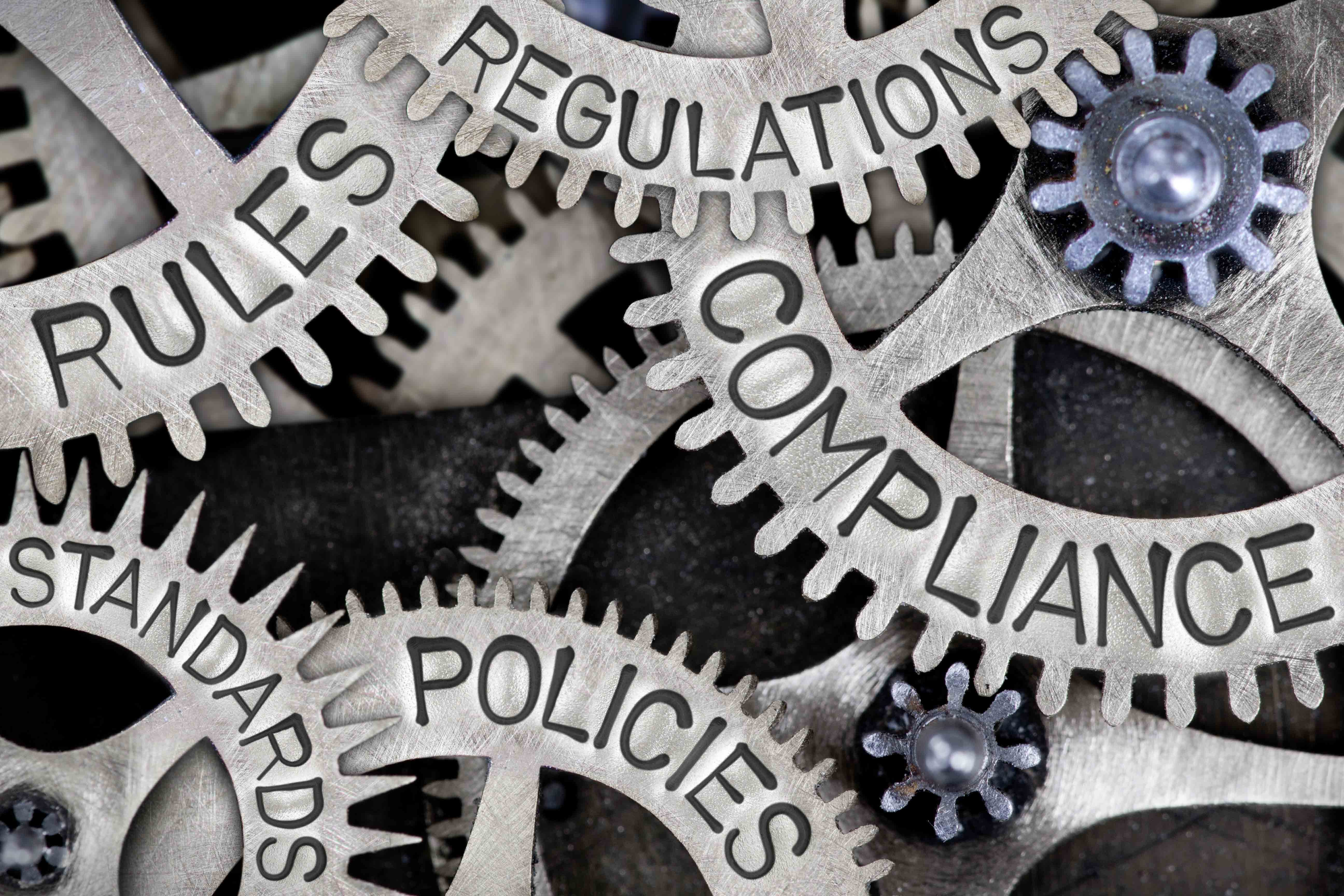
Why Simply Trade
We have been in the business of educating companies and trade professionals in all things trade since 1991. In that time we have helped thousands with meet their trade compliance challenges face on.
Because trade changes almost daily and not all topics could be covered in a full day of training, we created the Simply Trade podcast to continue to educate and inform the trade community about current changes, new information, or just about anything trade related.
We would like your feedback on what we are doing right or wrong to make the show better. Also, if you, or someone you know, would like to be a guest on the show, or would like to sponsor the show, or just want to suggest a topic for us to cover on the show, please reach out to us via email at SimplyTrade@GlobalTrainingCenter.com or via Twitter @SimplyTradePod.
We hope you enjoy the show and do not hesitate to reach out to us.