Simply Trade
Do you find yourself randomly classifying products… when you are not at work?
Does the reason why you jump out of bed every morning have anything to do with validating your supply chain to insure trade compliance?
Did you sit in your favorite chair with a glass of wine, paging through the latest regulations and thought to yourself, ‘what a great way to spend my free time’?
If any of these apply to you, then you are very likely a ‘trade geek’… that is why we created Simply Trade just for you.
Your hosts, Andy and Lalo have a combined 60+ years in the industry. Covering everything from logistics to technology. There is so much to learn with the ever-evolving world of trade.
We’ve invited some friends over to our podcast to simply ’shoot the ship’ on all things trade. So join us every week as we discuss current and important trade topics with experts in their field who are passionate about helping you succeed!
You’ll never run out of things to learn when it comes to trading goods across international borders.
Let’s get to it!
Listen on:





Episodes
![[Cindy’s Version] This Is Me Trying](https://pbcdn1.podbean.com/imglogo/image-logo/14879952/ST_Cover_2026_300x300.png)
Friday Mar 13, 2026
Friday Mar 13, 2026
Host: Cindy AllenPublished: March 13, 2026Length: ~15 minutesPresented by: Global Training Center
Episode Summary
In this week’s episode of Simply Trade: Cindy’s Version, Cindy Allen breaks down the latest developments following the Supreme Court’s decision striking down IEEPA tariffs—and what CBP is proposing as a path forward for duty refunds.
CBP has introduced a proposed automated system called CAPE (Consolidated Administration Processing of Entries) to manage refund claims tied to the invalidated tariffs. While the proposal answers some questions, it also raises several new operational considerations for importers and customs brokers.
At the same time, global trade policy continues to move quickly. The administration has launched new Section 301 investigations covering 16 major economies, announced forced labor investigations involving 60 countries, and is monitoring supply chain risks tied to oil disruptions in the Strait of Hormuz.
Inspired by Taylor Swift’s This Is Me Trying, Cindy walks through what we know, what we don’t know yet, and why the trade community may need to remain patient as the refund process takes shape.
This Week in Trade
• New Section 301 investigations targeting structural excess manufacturing capacity across 16 economies• Forced labor investigations announced involving 60 countries• Ongoing monitoring of supply chain risks tied to the Strait of Hormuz• Possible Jones Act waiver discussions as energy logistics concerns grow
IEEPA Refund Process: What We Know So Far
Following the Supreme Court decision, CBP has proposed a new automated refund system called CAPE, which would allow importers or brokers to submit claims through a portal connected to ACE.
The proposal includes:
• A portal-based refund submission process• Automated recalculation of entries with IEEPA duties removed• Updated entry records reflected back into ACE
While the framework is promising, several operational questions remain—including how already liquidated entries, reconciliation filings, and broker system updates will be handled.
Key Takeaways
• CBP is developing a structured process for IEEPA duty refunds• Importers will likely need to submit claims through a CAPE portal• Some refund scenarios remain unclear and may require legal guidance• Major new Section 301 investigations signal continued trade enforcement activity• Global supply chain risks remain elevated due to energy disruptions
Credits
Host:Cindy Allen - Trade Force Multiplier
Producer:Lalo Solorzano
Simply Trade is produced byGlobal Training Center
Subscribe & Follow
• YouTube• Spotify• Apple Podcasts
Join the conversation with fellow trade professionals in the Trade Geeks Community:https://globaltrainingcenter.com/portal/?utm_source=SimplyTradePodcast
Thursday Mar 12, 2026
Thursday Mar 12, 2026
Simply Trade Podcast
Host: Lalo SolorzanoGuests: Cindy Deleon, John MetrichEpisode Length: ~35 minutesPublished: March 2026
Episode Summary
In this episode of Simply Trade, Lalo Solorzano sits down with Cindy Deleon and John Metrich from Deleon Trade to explore one of the more complex corners of trade compliance: advanced Section 232 tariff enforcement and metal value content analysis.
Recorded shortly after the Advanced Topics in Customs Compliance Conference (ATCC), the conversation dives into how trade professionals are navigating the increasingly sophisticated enforcement environment surrounding Section 232 tariffs.
Cindy and John share insights from their work helping companies analyze metal value content, prepare for potential enforcement actions, and think strategically about how these tariffs are being applied in practice. The discussion highlights why Section 232 compliance is no longer just a basic classification issue but often requires deeper operational and sourcing analysis.
For trade professionals dealing with steel, aluminum, derivative products, or complex supply chains, this episode provides a valuable look into the advanced compliance considerations shaping today’s trade environment.
Key Topics Discussed
The purpose and structure of the Advanced Topics in Customs Compliance Conference (ATCC)
Why Section 232 compliance has become increasingly complex
How metal value content calculations are impacting imports
Enforcement trends and what regulators are focusing on
The importance of understanding supply chain inputs and sourcing
How companies should prepare for deeper scrutiny and potential audits
Practical insights from working with importers facing these challenges
Key Takeaways
1. Section 232 compliance goes far beyond classificationCompanies must increasingly analyze the underlying metal value and sourcing behind products to ensure compliance.
2. Enforcement is becoming more sophisticatedRegulators are taking a deeper look at supply chains and documentation related to steel and aluminum inputs.
3. Advanced knowledge mattersAs trade programs evolve, professionals must move beyond basic compliance and develop advanced technical expertise.
4. Education and collaboration are criticalIndustry events like ATCC help professionals share experiences and tackle the most challenging trade compliance issues together.
Resources & Links
Cindy Deleon – https://www.linkedin.com/in/cindydeleon/
John Metrich – https://www.linkedin.com/in/john-metrich-3b896a53/
Deleon Trade – https://www.deleontrade.com
Advanced Topics in Customs Compliance Conference (ATCC) – https://www.customsconferences.com/
Learn more about trade compliance training – https://www.globaltrainingcenter.com
CBP Trade and Cargo Security Summit - April 28, 2026
AAEI Conference - June 23
GTE Conference - July 2
Credits
Host:Lalo Solorzano
Guests:Cindy DeleonJohn Metrich
Producer:Global Training Center
Podcast:Simply Trade
Subscribe & Follow
Stay connected with the Simply Trade Podcast:
Global Training Center LinkedIn
YouTube
Spotify
Apple Podcasts
Trade Geeks Community
Join the Conversation
What are you seeing with Section 232 enforcement and metal value content requirements?
Share your thoughts and experiences with the trade community and join the discussion.
Tuesday Mar 10, 2026
Tuesday Mar 10, 2026
Hosts:Renee Chiuchiarelli & Julie Parks
Published: March 2026Format: Simply Trade TipsLength: ~15 minutes
Episode Summary
In this episode of Simply Trade Tips, hosts Renee Chiuchiarelli and Julie Parks dive deeper into one of the most overlooked drivers of trade compliance success: organizational structure.
While many trade professionals focus on technical issues like classification, valuation, or origin rules, Renee and Julie explain that the real barrier to execution is often structural — specifically who owns the budget, who sponsors the program, and how decision-making authority is distributed across the organization.
They explore how trade leaders can navigate internal structures, align their messaging with different departments, and build the relationships necessary to secure funding and remove roadblocks.
Because in global trade, having the right expertise isn’t enough — you also need the right organizational support to make things happen.
Key Topics Discussed
• Why organizational structure can make or break a trade compliance program• The importance of understanding who controls the budget• How different departments prioritize risk, cost, and operational goals• What an executive sponsor actually does (and what they don’t do)• Why trade leaders need influence across multiple departments• How to avoid internal “compliance civil wars”
Key Insights
Budget Ownership Changes Everything
When the trade team owns the budget, they can prioritize projects based on compliance risk and operational need.
But when another department controls the budget, trade leaders must frame requests in terms that matter to that function — whether that’s ROI, operational efficiency, or system modernization.
Speak the Language of the Budget Owner
Different departments evaluate trade initiatives through their own lens:
• Finance: ROI, penalties avoided, dollars recovered• Supply Chain: speed, predictability, fewer shipment holds• IT: integration, system quality, and security• Legal / Compliance: enforcement risk and regulatory protection
Understanding these priorities can dramatically improve the chances of getting initiatives funded.
An Executive Sponsor Removes Roadblocks
An executive sponsor is not simply someone who encourages the program.
A real sponsor:
• Clears organizational roadblocks• Influences other executives• Helps secure resources and approvals
The right sponsor can dramatically increase the effectiveness of a trade compliance program.
Build Strategic Relationships Across Functions
Trade rarely sits perfectly within one department. That means trade leaders often need multiple relationships across the organization to make initiatives successful.
For example:
• Trade under logistics may benefit from a legal sponsor• Trade under legal may need supply chain support• Finance leadership can help secure project funding
These partnerships create the influence needed to move compliance initiatives forward.
Memorable Line from the Episode
“A real sponsor isn’t a cheerleader — it’s someone who clears the roadblocks.”
Join the Conversation
Have you experienced organizational roadblocks in your trade program?
How is your compliance team structured — and does it help or hinder your work?
Share your thoughts with the Simply Trade community.
Credits
Hosts:Renee Chiuchiarellihttps://www.linkedin.com/in/renee-chiuchiarelli-lcb-ccs-8964a19/?utm_source=SimplyTradePodcast
Julie Parkshttps://www.linkedin.com/in/julie-ann-parks/?utm_source=SimplyTradePodcast
Producer:Lalo Solorzanohttps://www.linkedin.com/in/lalosolorzano/?utm_source=SimplyTradePodcast
🎧 Subscribe & Follow
New Simply Trade Tips episodes every Tuesday.
Presented by:Global Training Center — education, consulting, workshops & compliance resources for trade professionals.👉 https://www.globaltrainingcenter.com/?utm_source=SimplyTradePodcast
Connect With Us
Simply Trade Podcast on LinkedIn
Global Training Center on LinkedIn
YouTube — https://www.youtube.com/@SimplyTradePod?utm_source=SimplyTradePodcast
Spotify — https://open.spotify.com/show/09m199JO6fuNumbcrHTkGq?utm_source=SimplyTradePodcast
Apple Podcasts — https://podcasts.apple.com/us/podcast/simply-trade/id1640329690?utm_source=SimplyTradePodcast
Trade Geeks Community — https://www.globaltrainingcenter.com/portal/?utm_source=SimplyTradePodcast
💬 Don’t forget to rate, review, and share with your fellow trade geeks!
Want to Be on the Show or Have Topic Suggestions?
📧 SimplyTrade@GlobalTrainingCenter.com🐦 Twitter/X: @SimplyTradePod
![[ROUNDUP] Scaling AI in Global Enterprises: Live Trade Compliance Conversations](https://pbcdn1.podbean.com/imglogo/ep-logo/pbblog14879952/News_Roundup_gzf9t9_reskdw_chash5_300x300.jpg)
Monday Mar 09, 2026
Monday Mar 09, 2026
Host: Annik SobingGuests: Jennifer Varney (Volvo Group), Penny Chen (PAX)Recorded at: ICPA Conference, San Antonio, TXPublished: March 2026Length: ~25 minutesPresented by: Global Training Center
AI Meets Trade Compliance: From Auto Supply Chains to AI
Live from ICPA San Antonio, Annik sits down with Jennifer from Volvo Group and Penny from PAX for an all‑women, International Women’s Day‑timed conversation about how AI is actually being used in trade compliance today—far beyond the buzzwords. They explore the reality of AI inside a massively complex automotive supply chain, how duty drawback is being reimagined with AI, and what trade teams should think about before buying or building any tools.
What You’ll Learn in This Episode
Session highlights from ICPA
Jennifer: Practical implementation of AI to support customs clearance at the enterprise level—how one company uses AI to survive an “ever‑changing and incredibly volatile” trade landscape.
Penny: A “beginner‑friendly” intro to general AI tools, how large language models work, and how trade compliance leaders can evaluate AI quality and fit.
The automotive reality: 1,000+ policy changes and thousands of parts
In just the last year, there have been 1,000+ trade policy changes worldwide, affecting about 5 trillion dollars in spend.
Most of the real impact comes from trade barrier changes, not facilitation measures.
A single vehicle can have 2,000–3,000 parts sourced from thousands of suppliers globally, some in‑house, some external.
New demands around Section 232 (steel/aluminum/copper), forced labor, EUDR, connected vehicle rules, dual‑use, etc. mean OEMs must know their supply base down to raw material origin and processing, sometimes 5–6 tiers deep.
Why human-only workflows can’t keep up
Many tier‑1 suppliers don’t even have the data OEMs now must report, or consider it proprietary.
Trade teams are drowning in documentation, entry creation, and ever‑changing regulatory demands—falling behind risks blocked shipments and massive cost.
Jennifer’s view: AI is less about replacing people and more about augmenting limited resources before they’re “buried under all of the legislative changes.”
Where AI fits in (and where it doesn’t)
Example use case: consolidating multiple documents (PO, invoice, BL, shipping manifest) to build a single 7501—AI reads different formats, extracts the right fields, and populates data so humans review instead of retyping.
Penny’s rule of thumb: if it’s a task you’d happily delegate to an intern, it’s a candidate for automation or semi‑automation.
AI frees people to focus on high‑value work: audits, wider coverage (5% → 99%), forecasting regulatory changes, and adjusting systems/processes for what’s coming next.
Starting your AI journey: practical adoption path
Step 1: Use free or existing tools (e.g., Microsoft Copilot) for summaries, data cleaning, and simple tasks.
Step 2: When needs get more complex, consider specialized AI tools (like PAX’s AI‑powered duty drawback service), but pair them with solid ROI analysis: cost vs. time savings vs. recovered dollars.
Step 3: For large enterprises, begin with defining pain points and a data strategy:
Where do you spend the most time?
Which activity is eating 90% of your bandwidth?
What data will go into AI, and what exactly do you want back out?
Overcoming fear and building buy‑in
Penny’s take: curiosity is your best ally—if you don’t know how to use AI, start by asking AI how to use AI.
Jennifer’s advice:
Engage stakeholders early; give them a voice in how the tool is designed and used.
Set realistic expectations—even with aggressive automation, maybe only ~30% of workload can be automated today.
Focus human effort on strategy and change management, not repetitive admin.
Choosing the “right” AI for your team
Not every company needs every AI—e.g., if you classify one item a month, a classification platform may not be worth it.
For trade leaders, tool selection should be guided by:
Where you lose the most time or money.
Data type mix (text + structured data).
Compliance/guardrail needs and vendor transparency about models and controls.
Conferences like ICPA are key: they surface real use cases, connect trade and tech experts, and help teams refine what they actually need.
International Women’s Day Spotlight
This episode also celebrates International Women’s Day and highlights women leading in trade, tech, and compliance—from OEMs to AI startups. Annik closes with a shoutout to all women in trade who are building, leading, and pushing the industry forward.
CreditsHost: Annik SobingGuests: Jennifer (Volvo Group), Penny (PAX)Recorded at: ICPA Conference, San Antonio, TX
Listen & Subscribe
Simply Trade main page: https://simplytrade.podbean.com
Apple Podcasts: https://podcasts.apple.com/us/podcast/simply-trade/id1640329690
Spotify: https://open.spotify.com/show/09m199JO6fuNumbcrHTkGq
Amazon Music: https://music.amazon.com/podcasts/8de7d7fa-38e0-41b2-bad3-b8a3c5dc4cda/simply-trade
Connect with Simply Trade
Podcast page: https://www.globaltrainingcenter.com/simply-trade-podcast
LinkedIn: https://www.linkedin.com/showcase/simply-trade-podcast
YouTube: https://www.youtube.com/@SimplyTradePod
Join the Trade Geeks Community
Trade Geeks (by Global Training Center): https://globaltrainingcenter.com/trade-geeks/
Friday Mar 06, 2026
Friday Mar 06, 2026
Host: Cindy AllenShow: Simply Trade – Cindy’s VersionPublished: March 6, 2026Length: ~13 minutesPresented by: Global Training Center
Ready For It? CBP’s IEEPA Refund Proposal Drops—Here’s What’s Next
Cindy Allen, CEO of TradeForce Multiplier, dives into the latest trade developments through Taylor Swift’s “Ready For It?”—perfect for the “let the games begin” drama unfolding in IEEPA refund hearings. From DHS shakeups and Section 122 lawsuits to CBP’s just‑filed refund blueprint, Cindy unpacks the mechanics, open questions, and what importers/brokers should do now.
What You’ll Learn in This Episode
DHS leadership change
Secretary Noem removed; scuttlebutt suggests more exits at DHS/CBP headquarters.
New nominee: Oklahoma senator with broad congressional/President support (not yet formal).
Section 122 tariff challenges
24 states sue in Court of International Trade, arguing Section 122 doesn’t meet “imbalance of payments” requirement for universal tariffs.
Commerce Secretary Besant hints at 15% rate hikes for specific industries, potentially violating Section 122’s uniform application rule—no movement yet (as of Friday afternoon).
USMCA signals
Congress supports extension, but President has final say.
Discussions on trilateral vs. bilateral (U.S.–Canada, U.S.–Mexico); some push for 1‑year extension to renegotiate post‑tariff chaos.
Global disruptions
Iran war halts Strait of Hormuz traffic, backing up oil tankers and vessels reliant on that fuel—broad transportation ripple effects.
USTR advisory opportunity
Nominations open for 4 USTR trade advisory groups (separate from COAC)—check Federal Register notices.
Chance to influence policy, build government/industry relationships.
Why “Ready For It?”
Cindy channels Taylor Swift’s “Ready For It?” for the IEEPA refund “dating game” between DOJ, CBP, and CIT:
Federal Circuit rejected government’s 90‑day delay request, remanded immediately to CIT.
CIT hearing (March 4) was “entertaining” bickering—judge ruled no suit needed for non‑final entries and ordered CBP to liquidate without IEEPA duties.
CIT conference (March 6, closed): CBP filed a refund proposal.
CBP’s IEEPA Refund Proposal Breakdown
How it would work:
Importers file ACE declaration with Excel list of affected entries.
ACE runs validations, auto‑recalculates IEEPA refund.
CBP verifies declaration accuracy.
ACE auto‑liquidates; CBP certifies; Treasury issues refunds (as normal).
Estimated 45 days for CBP programming.
Open questions:
Entry updates: ACE is system of record—will underlying entry summaries be corrected? (Critical for protests, PSCs, reconciliation, drawback.)
Broker involvement: ABI required? Broker systems need programming? Push/pull updates?
Reconciliation: How handled in bulk process?
PSC/audit impact: Can filers still correct misclassifications post‑bulk liquidation? (Protests harder than PSC.)
Liquidation halt: CBP questions authority to pause during 45‑day programming (hundreds of thousands liquidated March 6).
Key Takeaways
CIT has jurisdiction; expect CBP proposal review/dialogue—trade associations pushing entry updates.
Programming delays + ABI sync = potential months before refunds flow.
Liquidation is automatic unless stopped—monitor your entries closely.
“Let the games begin”—are you ready for the IEEPA refund process?
CreditsHost: Cindy Allen
Producer: Annik Sobing
Listen & Subscribe
Simply Trade main page: https://simplytrade.podbean.com
Apple Podcasts: https://podcasts.apple.com/us/podcast/simply-trade/id1640329690
Spotify: https://open.spotify.com/show/09m199JO6fuNumbcrHTkGq
Amazon Music: https://music.amazon.com/podcasts/8de7d7fa-38e0-41b2-bad3-b8a3c5dc4cda/simply-trade
Connect with Simply Trade
Podcast page: https://www.globaltrainingcenter.com/simply-trade-podcast
LinkedIn: https://www.linkedin.com/showcase/simply-trade-podcast
YouTube: https://www.youtube.com/@SimplyTradePod
Join the Trade Geeks Community
Trade Geeks (by Global Training Center): https://globaltrainingcenter.com/trade-geeks/
Thursday Mar 05, 2026
Thursday Mar 05, 2026
Hosts:
Lalo Solorzano
Guests:
Eric Hargraves – Elliott Davis
Cindy Allen – Trade Force Multiplier
Mark Segrist – Sandler, Travis & Rosenberg
Recorded Live At:The International Compliance Professionals Association (ICPA) Annual Conference in San Antonio.
Episode Summary
In this special live conference episode, Lalo sits down with three trade experts at the ICPA Annual Conference to unpack one of the biggest trade law developments in years: the Supreme Court ruling limiting the use of IEEPA for tariff authority.
Together, Eric Hargraves, Cindy Allen, and Mark Segrist break down what the decision actually means, how the administration pivoted immediately to other tariff tools, and why importers should not assume refunds are guaranteed.
The conversation dives into the legal fallout, enforcement uncertainty, and compliance strategies companies should be thinking about right now, including protests, litigation strategies, and how trade compliance is rapidly becoming a C-suite level issue.
If you’re trying to understand the real-world impact of the ruling, tariff stacking, and what actions importers should be taking today, this discussion delivers practical insight straight from the conference floor.
Key Takeaways
The Supreme Court Limited Presidential Tariff Authority Under IEEPA
The Court ruled that the president cannot impose tariffs using IEEPA, emphasizing that taxation powers belong to Congress under the Constitution.
The Administration Immediately Pivoted to Other Tools
With IEEPA tariffs struck down, the administration quickly shifted toward Section 122 and other statutory authorities, showing that tariff policy will continue through different mechanisms.
Tariff Stacking and Complexity Are Increasing
Importers now face potential layers of tariffs under Section 232, Section 301, Section 122, and other mechanisms, making duty calculations and compliance far more complex.
Refunds Are Not Guaranteed
Even though the ruling invalidated certain tariffs, experts warn that refunds are not automatic, and companies must actively preserve their rights.
Importers Must Take Action Now
Companies should be monitoring liquidation dates, filing protests when necessary, and considering litigation options to protect their ability to recover duties.
Trade Compliance Is Now a Strategic Function
Trade and customs issues have moved from back-office compliance work to strategic discussions at the executive level, impacting supply chains, costs, and global operations.
Notable Topics Discussed
The Supreme Court decision on IEEPA tariffs
Section 122 as the administration’s immediate fallback tool
How tariff stacking affects real duty rates
Litigation strategies and the growing role of the Court of International Trade
Why companies should file protests and protect their refund rights
The rise of trade compliance as a strategic corporate function
Resources & References
International Compliance Professionals Association (ICPA)
ICPA on LinkedIn
ICPA LinkedIn Group
About the Guests
Eric HargravesA trade and customs specialist with Elliott Davis who advises companies on navigating complex regulatory frameworks and trade enforcement issues.
Cindy AllenFounder of Trade Force Multiplier and a leading voice in customs compliance, supply chain strategy, and global trade education.
Mark SegristAttorney with Sandler, Travis & Rosenberg focusing on international trade law, customs regulations, and tariff litigation.
Join the Conversation
What do you think this ruling means for importers and future tariff policy?
Join the discussion and share your thoughts with the Simply Trade community.
Credits
Host:Lalo Solorzano
Guests:
Eric Hargraves
Cindy Allen
Mark Segrist
Produced by:Global Training Center
Subscribe & Follow
Follow Simply Trade to stay updated on the latest insights in global trade and customs compliance.
YouTube: https://www.youtube.com/@simplytradepod
Spotify: https://open.spotify.com/show/09m199JO6fuNumbcrHTkGq
Apple Podcasts: https://podcasts.apple.com/us/podcast/simply-trade/id1640329690
Connect With Us
Lalo Solorzano: https://www.linkedin.com/in/lalosolorzano/
Andy Shiles: https://www.linkedin.com/in/andyshiles/
Global Training Center: https://www.linkedin.com/company/global-training-center
Join the Trade Geeks community:https://globaltrainingcenter.com/portal/
Wednesday Mar 04, 2026
Wednesday Mar 04, 2026
Hosts: Renee Chiuchiarelli & Julie ParksLength: ~15 minutesFormat: Simply Trade Tips
Episode Summary
Welcome to Series 6 of Simply Trade Tips.
This series tackles a foundational — and often overlooked — issue in global trade:
Where does Customs actually sit inside your organization?
In this opening episode, Renee and Julie lay the groundwork by breaking down the three most common organizational structures and how each one impacts customs operations, compliance authority, budgeting, and risk management.
Because here’s the truth:
Customs rarely fails because people don’t care.It fails because it’s structurally misaligned.
This episode sets the foundation for understanding how org structure dictates decision-making, funding, escalation paths, and ultimately — compliance outcomes.
Why Org Structure Matters for Customs
Customs sits in the middle of everything:
Procurement
Finance
Logistics
Legal
Tax
Sales & contracts
Export operations
Yet it rarely “owns” all the decisions that affect it.
That misalignment can create compliance gaps, conflicting priorities, and operational tension between speed and governance.
Follow the money. Follow the reporting lines. That’s where risk lives.
The Three Core Organizational Structures
1️⃣ Centralized (Functional) Structure
Definition:Departments operate in defined lanes (Supply Chain, Finance, Legal, Sales), each with its own leadership.
Where Customs Usually Sits:
Under Supply Chain
Under Legal
Occasionally under a dedicated Trade Compliance function
Upside:
Clear ownership
Defined reporting line
Often its own budget (if structured well)
Downside:
Under Supply Chain → can become overly execution-focused (velocity & cost driven)
Under Legal → can become overly compliance-focused and disconnected from operations
If no independent budget → strategy becomes fragmented
Key theme: Budget authority drives strategic control.
2️⃣ Decentralized (Divisional) Structure
Definition:Trade responsibilities are spread across business units, regions, or product lines.
Each division may manage its own customs activity.
Upside:
Faster decision-making
Direct access to business leaders
Local agility
Downside:
Inconsistent processes across divisions
Requires corporate oversight or council to maintain standards
Heavy reliance on influence rather than authority
This model works — but it requires strong coordination and governance discipline.
3️⃣ Matrix (Hybrid) Structure
Definition:Dual reporting lines — often operationally to Supply Chain, dotted line to Legal, Tax, or Finance.
This is where many global organizations land.
Reality of the Matrix:
Multiple “bosses”
Consensus-driven decisions
Speed vs. compliance tension
Performance reviews may not align with dotted-line accountability
Success in a matrix requires:
Clear budget ownership
Clear escalation paths
Strong consensus-building skills
Mature leadership alignment
Without alignment, it becomes a tug-of-war between execution and governance.
Customs Operations vs. Customs Compliance
A critical distinction discussed in this episode:
Customs Operations:
Entry filings
ACE submissions
Broker management
Day-to-day problem solving
Customs Compliance:
Classification governance
Valuation methodology
Origin policy
Audit strategy
Risk tolerance
Julie and Renee strongly advocate for structural separation of these roles — even in small teams.
Why?
Operations finds errors.Compliance fixes root causes.Both must cross-communicate consistently.
When they don’t align, friction, inefficiency, and risk increase.
Real-World Red Flags
Renee and Julie call out four common structural warning signs:
🚩 1. Customs buried too deep
Under logistics, contracts, or sales without escalation authority.
🚩 2. Broker “owns” compliance
Brokers file entries — they do not own your risk.
🚩 3. No executive sponsor
A sponsor is not a cheerleader — it’s a leader who clears roadblocks and escalates risk appropriately.
🚩 4. Customs is not the budget holder
If you don’t control funding, you don’t control strategy.
The Big Takeaway
There is no “perfect” structure.
Centralized, decentralized, and matrix models can all work.
But maturity shows up in:
Clear decision rights
Budget authority
Executive sponsorship
Alignment between operations and compliance
Structure doesn’t eliminate risk.Misalignment creates it.
This Episode’s FIO (Figure It Out)
Take a hard look at your organization:
Which structure are you operating in — centralized, decentralized, or matrix?
What’s working well?
Where are the structural gaps?
Who holds the budget and escalation authority?
Because you can’t fix what you haven’t identified.
Future episodes in this series will focus on how to modernize or optimize each model — whether through small tweaks or major reorgs.
Join the Conversation
Where does Customs sit in your organization?
And more importantly — is it positioned for influence or just paperwork?
Let us know inside the Trade Geeks Community or connect with us on LinkedIn.
Credits
Hosts:Renee ChiuchiarelliJulie Parks
Producer:Lalo Solorzano
🎧 Subscribe & Follow
New Simply Trade Tips episodes every Tuesday.
Presented by Global Training Center — providing education, consulting, and compliance resources for trade professionals worldwide.
Listen & subscribe:
YouTube
Spotify
Apple Podcasts
Monday Mar 02, 2026
Monday Mar 02, 2026
Host: Annik SobingGuest: Kenneth G. PetersPublished: February 2026Length: ~20 minutesPresented by: Global Training Center
GTM Software Prep: Don't Install Until You've Done These 3 Things First
In this Simply Trade Roundup, Annik talks with Kenneth G. Peters, President at MIC US and Director of Commercial Operations in North America, about Global Trade Management (GTM) software—specifically, what trade teams must do before implementation to avoid creating “digital chaos.” Ken shares real talk from his ATCC presentation on data cleanup, process mapping, and testing, plus why “cleaning your data like you're hosting the in-laws” is now his signature advice. Shoutout to Alison for the killer slides.
What You’ll Learn in This Episode
Ken’s new grandpa status (the little guy is 7 months old—congrats!) and why it’s the “next step in life” that keeps him energized for trade tech.
The #1 mistake companies make with GTM software
Data cleanup first: Don’t dump junk into GTM. Scrub inactive vendors, obsolete parts, invalid HS codes (like 111111 or all zeros). Clean it like you're hosting the in-laws—no mess allowed.
Why: GTM amplifies what you give it. Bad data in = faster mistakes out.
Avoid the “Big Bang” implementation trap
Don’t try to do everything at once (denied party screening + classification + FTA rules + solicitation).
Start small:
Classification (builds the foundation—parts, HS codes, values).
Denied party screening (uses your vendor/part data).
FTA analysis (relies on classification/HS from step 1).
Why: Master data dependencies mean you build once and reuse everywhere.
Processes over pixels
GTM won’t fix broken workflows. Map your processes before going live.
If your current setup is emailing Excel files between systems, you’re not automating—you’re digitizing chaos.
True automation: ERP ↔ GTM via SFTP, APIs, XML—no human hands on keyboards. Reduces errors, speeds everything up.
Who owns what after go‑live
MIC US (GTM provider): Manages the software backend—reg updates, HS databases, platform maintenance.
Your team: Owns the process (classification, entry creation, decision‑making). Someone still reviews outputs for accuracy.
No “managed services” from MIC—GTM is a tool, not a full‑service outsource.
Testing: where most implementations fail
Allocate real time and resources to testing—don’t rush it.
Test end‑to‑end: data flow, workflows, edge cases.
Why: Skipped or rushed testing = live problems that cost more to fix later.
“If your systems are emailing Excel files to each other, you're not automating”
Ken’s golden rule: Hands‑off data flow (ERP → GTM) eliminates errors.
Excel handoffs = manual errors waiting to happen.
Key Takeaways
Clean data first: Active parts, valid HS, no ghosts—GTM makes good data shine and bad data explode.
Start small, build smart: Classification → screening → FTA, not “big bang everything.”
Fix processes before pixels: GTM won’t save broken workflows; it speeds them up.
Testing = non‑negotiable: Rushed testing = expensive live fixes.
GTM is a force multiplier—if your foundation is solid.
CreditsHost: Annik SobingGuest: Kenneth G. Peters, President, MIC US
Producer: Annik Sobing
Listen & Subscribe
Simply Trade main page: https://simplytrade.podbean.com
Apple Podcasts: https://podcasts.apple.com/us/podcast/simply-trade/id1640329690
Spotify: https://open.spotify.com/show/09m199JO6fuNumbcrHTkGq
Amazon Music: https://music.amazon.com/podcasts/8de7d7fa-38e0-41b2-bad3-b8a3c5dc4cda/simply-trade
Connect with Simply Trade
Podcast page: https://www.globaltrainingcenter.com/simply-trade-podcast
LinkedIn: https://www.linkedin.com/showcase/simply-trade-podcast
YouTube: https://www.youtube.com/@SimplyTradePod
Join the Trade Geeks Community
Trade Geeks (by Global Training Center): https://globaltrainingcenter.com/trade-geeks/
Friday Feb 27, 2026
Friday Feb 27, 2026
Host: Cindy AllenShow: Simply Trade – Cindy’s VersionPublished: February 27, 2026Length: ~15 minutesPresented by: Global Training Center
All Too Well: One Week Post-IEEPA, Still Not Fine at All
One week after the Supreme Court struck down IEEPA tariffs, Cindy Allen, CEO of TradeForce Multiplier, delivers the latest update through the lens of Taylor Swift’s “All Too Well.” She breaks down the lingering uncertainty—“I know it’s long gone and the magic’s not here no more… I might be okay, but I’m not fine at all”—and what importers, brokers, and service providers should do next amid shutdowns, pending bills, and shifting tariff authorities.
What You’ll Learn in This Episode
Legislative landscape
Three new bills introduced on IEEPA refunds: two support refunds for importers; one opposes and ties refunds to consumers (challenging in practice).
Other pending bills (eliminating first sale, non‑resident importer status, new licensing program) are unlikely to move soon.
IEEPA refund bills could gain traction if courts rule against refunds—watch for Congress to act.
DHS shutdown impacts
Ongoing due to budget issues; most CBP personnel are working without pay (be kind!).
Trade interactions limited as “non‑essential”: canceled meetings, no new conference appearances.
TSA PreCheck spared (shutdown threat revoked); Global Entry inactive due to staffing.
CBP updates and waits
Still awaiting Section 232 valuation guidance for steel/aluminum/copper derivatives—current CBP direction conflicts with executive order language.
Trade associations have jointly requested clarity; no response yet.
Administration signals
New trade deals now using Section 122 authority instead of IEEPA.
Acceleration planned for remaining 232 investigations and new 301 actions—structured processes with timelines, public input, and notice (no more Friday night surprises).
Why “All Too Well”?
Cindy ties the week to Taylor Swift’s “All Too Well,” capturing trade’s emotional whiplash:
IEEPA is “long gone,” but the “magic” of predictability isn’t back.
Importers, attorneys, and consultants are swamped with “What now?” calls—Cindy’s attended 5+ webinars with no clear answers.
The trade isn’t “fine”—we’re in uncharted territory.
The Big Questions: If, How, When on IEEPA Refunds
IF refunds happen: Supreme Court remanded to lower court, likely landing at Court of International Trade (CIT). Prevailing view: no legal basis to withhold refunds, but scope (“which refunds?”) is unclear.
HOW to get refunds:
Two paths debated: 1581(i) (equitable jurisdiction—broad refunds for all) vs. 1581(a)(denied protests only).
Post-summary corrections rejected by CBP—don’t try now.
FedEx filed CIT action to protect refund rights.
Recommendation: talk to an attorney for tailored advice.
WHEN to act:
Government has 25 days for rehearing request (unlikely); ~7 days admin time; then CIT jurisdiction (~32 days total from Supreme Court).
File protests now if entries liquidate soon to preserve rights (CIT may require it under 1581(a)).
If no imminent liquidations, wait—process could take months or a year+.
Pack patience; this is a long haul.
Key Takeaways
IEEPA tariffs are history, but uncertainty reigns—new authorities (Section 122, accelerated 232/301) fill the gap.
Support CBP/TSA workers during shutdown—they’re on the job unpaid.
Consult an attorney ASAP for refund strategy; don’t sleep on protest deadlines.
No quick fixes ahead—trade pros need patience and planning.
CreditsHost: Cindy Allen
Producer: Annik Sobing
Listen & Subscribe
Simply Trade main page: https://simplytrade.podbean.com
Apple Podcasts: https://podcasts.apple.com/us/podcast/simply-trade/id1640329690
Spotify: https://open.spotify.com/show/09m199JO6fuNumbcrHTkGq
Amazon Music: https://music.amazon.com/podcasts/8de7d7fa-38e0-41b2-bad3-b8a3c5dc4cda/simply-trade
Connect with Simply Trade
Podcast page: https://www.globaltrainingcenter.com/simply-trade-podcast
LinkedIn: https://www.linkedin.com/showcase/simply-trade-podcast
YouTube: https://www.youtube.com/@SimplyTradePod
Join the Trade Geeks Community
Trade Geeks (by Global Training Center): https://globaltrainingcenter.com/trade-geeks/
Wednesday Feb 25, 2026
Wednesday Feb 25, 2026
Hosts:Lalo Solorzano & Andy Shiles
Episode Length: ~ 44 min.Published: February 25, 2026
Episode Summary
The Supreme Court has ruled on the use of IEEPA tariffs — and the trade community immediately started asking the same question:
Now what?
In this episode of Simply Trade, Lalo and Andy break down what the SCOTUS decision really means (and just as importantly, what it does not mean). They walk through the operational, financial, and compliance implications for importers, including refund strategies, protests, PSC filings, and what role the Court of International Trade may still play.
This is not a political conversation — it’s a practical one.
If you’re an importer, broker, trade attorney, or compliance leader trying to understand next steps, this episode gives you the strategic roadmap.
Key Discussion Points
What the Supreme Court actually ruled on regarding IEEPA
What this decision does not affect (Section 232, 301, etc.)
Whether importers should file PSCs, protests, or wait
The role of the Court of International Trade (CIT)
Refund timing and cash flow implications
The possibility of alternative tariff authorities (including Section 122)
Why internal data analysis is critical right now
How compliance programs can prepare for future shifts
Why This Matters
For companies that paid duties under IEEPA authority, this decision could mean:
Significant refund opportunities
Strategic filing decisions
Litigation exposure
Executive-level reporting requirements
Reassessment of long-term sourcing strategy
But acting too quickly — or without data — could create unnecessary risk.
Lalo and Andy emphasize that now is the time for:
Data gathering
Executive briefings
Controlled decision-making
Clear documentation
A strong compliance foundation
Practical Takeaways
Don’t assume automatic refunds — process matters.
Evaluate PSC vs. protest options carefully.
Monitor CIT developments closely.
Keep leadership informed with quantified impact analysis.
Use this moment to strengthen your compliance framework.
Resources
U.S. Supreme Court: Supreme Court Decision on IEEPA
U.S. Court of International Trade: https://www.cit.uscourts.gov
Global Training Center: https://www.globaltrainingcenter.com
Trade Geeks Community: https://globaltrainingcenter.com/portal/
Credits
🎙️ Hosts:Lalo SolorzanoAndy Shiles
🎬 Production & Media:Global Training Center
🎧 Podcast:Simply Trade
Subscribe & Follow
🎧 YouTube:https://www.youtube.com/@simplytradepod?utm_source=SimplyTradePodcast
🎧 Spotify:https://open.spotify.com/show/09m199JO6fuNumbcrHTkGq?utm_source=SimplyTradePodcast
🎧 Apple Podcasts:https://podcasts.apple.com/us/podcast/simply-trade/id1640329690?utm_source=SimplyTradePodcast
Connect With Us
🔹 Lalo Solorzanohttps://www.linkedin.com/in/lalosolorzano/
🔹 Andy Shileshttps://www.linkedin.com/in/andyshiles/
🔹 Global Training Center LinkedInhttps://www.linkedin.com/company/global-training-center?utm_source=SimplyTradePodcast
Want to Be on the Show?
Have a perspective on trade developments, compliance strategy, or real-world implementation challenges? Reach out — we’d love to feature voices from across the industry.
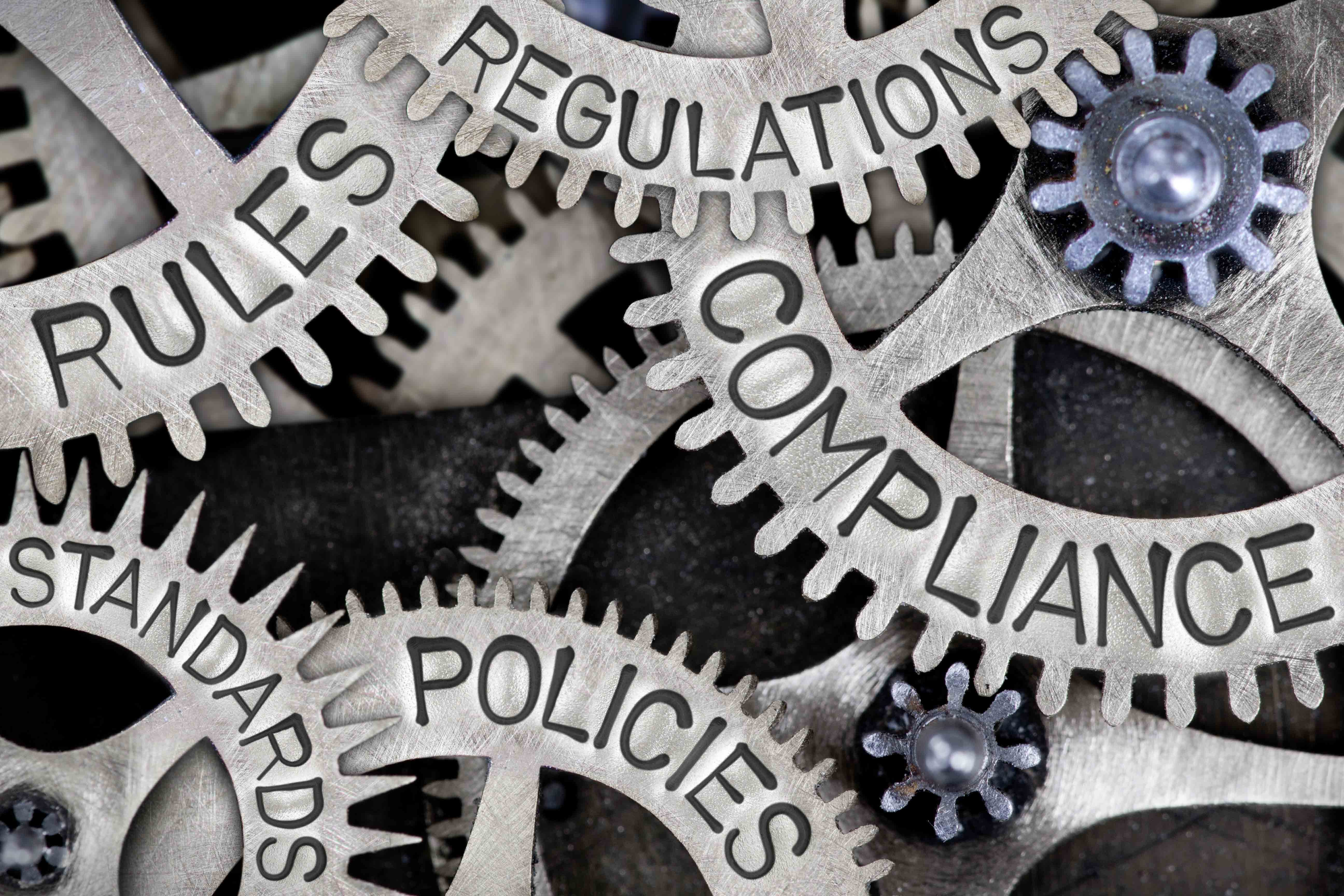
Why Simply Trade
We have been in the business of educating companies and trade professionals in all things trade since 1991. In that time we have helped thousands with meet their trade compliance challenges face on.
Because trade changes almost daily and not all topics could be covered in a full day of training, we created the Simply Trade podcast to continue to educate and inform the trade community about current changes, new information, or just about anything trade related.
We would like your feedback on what we are doing right or wrong to make the show better. Also, if you, or someone you know, would like to be a guest on the show, or would like to sponsor the show, or just want to suggest a topic for us to cover on the show, please reach out to us via email at SimplyTrade@GlobalTrainingCenter.com or via Twitter @SimplyTradePod.
We hope you enjoy the show and do not hesitate to reach out to us.